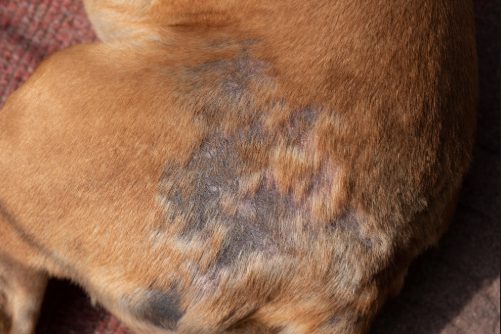
Alopecia in dogs often starts quietly. You may notice extra hair on the couch, a thinning patch along the back, or bare skin where thick fur used to be. For many pet owners, hair loss raises immediate concerns about comfort, appearance, and long-term health. Alopecia in dogs is not a single condition. It is a descriptive term veterinarians use when a dog experiences partial or complete hair loss, whether it develops suddenly or over time. Understanding what this change may signal helps pet owners recognize when it is time to seek professional guidance and what to expect during the veterinary process.
What Is Hair Loss in Dogs?
Hair loss in dogs refers to abnormal shedding or the inability to regrow hair in areas where it once grew normally. Alopecia in dogs can appear in small, localized patches or across large portions of the body, depending on the underlying cause. Some dogs lose hair symmetrically along their sides, while others develop irregular bald spots that change in size over time. In certain cases, the skin beneath the hair loss looks normal, while in others it appears red, flaky, thickened, or darkened.
Veterinarians view alopecia in dogs as a clinical sign rather than a diagnosis. This distinction matters because hair loss can stem from many unrelated conditions, ranging from hormonal imbalances to parasites or genetic traits. Age, breed, lifestyle, and overall health all influence how alopecia develops and progresses. Identifying patterns in hair loss gives veterinary teams valuable clues about what may be happening beneath the surface.
Symptoms of Hair Loss in Dogs
Alopecia in dogs often shows up alongside other physical or behavioral changes. Some dogs appear completely comfortable, while others seem irritated or restless as hair loss progresses. Paying attention to accompanying signs can help your veterinarian build a clearer picture during an exam.
Common symptoms associated with alopecia in dogs include:
- Patchy or widespread hair thinning or bald areas
- Changes in skin color, texture, or thickness
- Increased shedding beyond seasonal norms
- Redness, scaling, or flaky skin near hair loss
- Behavioral changes such as licking or scratching affected areas
Hair loss may occur gradually, making it harder to notice at first. In other cases, the change seems sudden and dramatic. Alopecia in dogs does not always involve itching, which often surprises pet owners. When hair loss appears without irritation, veterinarians may explore hormonal or metabolic causes rather than allergic or infectious ones.
Causes of Hair Loss in Dogs
Alopecia in dogs can develop for many reasons, and more than one factor may contribute at the same time. Veterinarians evaluate hair loss by considering breed tendencies, medical history, and the pattern of hair loss itself. Some causes affect the hair cycle directly, while others impact the skin or immune system.
Hormonal and Metabolic Conditions
Hormonal imbalances frequently play a role in alopecia in dogs, especially when hair loss appears symmetrical and non-itchy. Conditions involving the thyroid or adrenal glands can disrupt normal hair growth cycles, leading to thinning fur or areas where hair fails to regrow after shedding. These cases often involve additional signs such as changes in energy level, weight, or skin texture, which help guide diagnostic testing.
Parasites, Infections, and Skin Disorders
External parasites, fungal organisms, and bacterial infections can all cause alopecia in dogs. These issues may damage hair follicles directly or create inflammation that interferes with hair growth. In some dogs, immune-mediated skin disorders cause the body to attack its own hair follicles, resulting in hair loss and skin changes. Breed-related skin conditions may also contribute, particularly in dogs genetically predisposed to dermatologic concerns.
Genetics, Age, and Environmental Factors
Some dogs develop alopecia as part of a breed-related trait or genetic condition. In these cases, hair loss may appear in predictable areas and progress slowly over time. Aging can also affect hair growth, as older dogs may experience thinning coats or delayed regrowth after shedding. Environmental stressors, including lifestyle changes or chronic skin irritation, may further influence how alopecia in dogs presents.
How Veterinarians Diagnose Hair Loss in Dogs
Diagnosing alopecia in dogs involves more than a visual exam. Veterinarians gather detailed information about your dog’s history, daily routine, and the timeline of hair loss. This context helps narrow the list of possible causes before moving on to diagnostic testing.
A diagnostic plan for alopecia in dogs may include:
- A full physical and dermatologic examination
- Skin scrapings or cellular samples
- Bloodwork to assess internal health
- Evaluation of hormone levels when indicated
These steps allow veterinarians to rule out certain conditions while identifying others that require further attention. In some cases, diagnosis takes time, especially when hair loss develops gradually or involves multiple contributing factors. Clear communication between pet owners and the veterinary team helps ensure the most accurate assessment.
Treatment of Hair Loss in Dogs
Treatment for alopecia in dogs depends entirely on the underlying cause identified during the diagnostic process. Since alopecia is a symptom rather than a disease, addressing the root issue supports healthier skin and hair regrowth over time. Veterinary treatment plans often focus on managing the condition that interferes with normal hair cycles.
Treatment approaches for alopecia in dogs may involve medical therapies, long-term condition management, or supportive dermatologic care provided under veterinary supervision. Some dogs respond quickly once treatment begins, while others require ongoing monitoring and adjustments. Hair regrowth timelines vary widely, and visible improvement may take weeks or months depending on the cause.
It is important for pet owners to understand that not all forms of alopecia in dogs resolve completely. In certain genetic or age-related cases, treatment aims to maintain skin health and comfort rather than restore a full coat. Your veterinarian can explain what outcomes are realistic for your dog’s specific situation.
Recovery and Management of Hair Loss in Dogs
Managing alopecia in dogs often continues beyond the initial treatment phase. Regular follow-up visits allow veterinarians to monitor progress, evaluate hair regrowth, and adjust care plans as needed. Consistency plays a major role in managing conditions that affect the skin and hair cycle.
Long-term management may include ongoing veterinary checkups and periodic testing to ensure the underlying condition remains controlled. Some dogs experience cycles of improvement and relapse, especially when alopecia is linked to hormonal or immune-related conditions. Tracking changes at home and sharing observations with your veterinarian supports better long-term outcomes.
While recovery timelines differ, many dogs maintain a good quality of life even when hair loss persists. Healthy skin, comfort, and overall wellness matter more than cosmetic appearance, and veterinary guidance helps prioritize those goals.
Prevention of Hair Loss in Dogs
Not all cases of alopecia in dogs can be prevented, particularly when genetics or age play a role. However, routine veterinary care supports early detection of changes that may affect skin and coat health. Regular wellness exams give veterinarians the opportunity to identify subtle shifts before hair loss becomes extensive.
Maintaining open communication with your veterinary team also supports prevention. Reporting changes in shedding patterns, skin appearance, or behavior helps veterinarians intervene earlier when possible. While prevention looks different for every dog, consistent care remains one of the most effective tools for protecting overall health.
When Hair Loss Tells a Bigger Story
Alopecia in dogs often signals more than a cosmetic change. Hair loss can reflect shifts in internal health, skin function, or hormonal balance that deserve professional attention. Understanding the potential causes and the veterinary approach to diagnosis helps pet owners feel more confident when concerns arise.
If you notice hair loss or changes in your dog’s coat, the team at Live Oak Veterinary Hospital is here to help. Call us at 209-432-9437 or book an appointment online to discuss your dog’s symptoms and next steps with a trusted veterinary professional in Sonora, CA.